Charleston Gaillard Center
Charleston, South Carolina, USA
2 - 6 listopada 2026
Charleston Vendor Showcase Agenda
-
Monday, November 2 | 10:00 a.m. | Virtual Session: Scholarly Access at a Crossroads: Libraries, Identity, and the Future of Research
-
Tuesday, November 3 | 10:00 a.m. – 5:30 p.m. | Exhibit Hall Hours
-
Wednesday, November 4 | 3:30 p.m. – 4:30 p.m. | Poster Session: Turning the Page: Unlocking Magazine Archives for Literature and Humanities TeachingPerformance Hall Lobby
-
Wednesday, November 4 | 4:00 p.m. – 5:00 p.m. | Ask the Technology Providers: Guest Bloggers in The Scholarly Kitchen Take Your Questions
-
Thursday, November 5 | 4:00 p.m. – 5:00 p.m. | The Researcher Has Left the Building: Bots, AI Crawlers, and the Research Journey Libraries Need to Understand
Booth Highlights
EBSCO Sessions at Charleston
-
Monday, November 2 | 10:00 a.m. | Virtual
How can libraries help shape the future of federated access to scholarly resources? In this virtual session, EBSCO’s Amanda Ferrante, Principal Product Manager for Identity & Access Management, will be joined by Ann West of Internet2/InCommon and Jos Westerbeke of Erasmus University/FIM4L. Together, they will explore how libraries, publishers, federations and identity teams can work together to strengthen access and better connect researchers with trusted content wherever their research begins.
Speakers

Amanda Ferrante
Principal Product Manager for Identity & Access Management, EBSCO

Ann West
Internet2/InCommon
Jos Westerbeke
Erasmus University/FIM4L
-
Wednesday, November 4 | 11:20am | Grand Ballroom 1, Gaillard Center
The Americans with Disabilities Act Title II Update requires that all web content made available by public authorities, including libraries, is accessible to people with disabilities. This includes not only newly published books and journals, but also anything previously published that remains available. The nature and volume of this content pose significant challenges to librarians, publishers and aggregators alike.
This session discusses the specific challenges of making different types of content accessible for different types of organization, and providing examples of how organizations are tackling these issues. Making already published content accessible is much harder than creating ‘born accessible’ content, and so the approach must be different, too. We will hear from a digital archivistt who will talk about the issues around making archival material accessible, from an aggregator who will talk about how they address the challenge of receiving material from lots of different types of publisher, all with different remediating approaches. We will hear from a library policy professional who will talk about the different approaches libraries are taking to remediation, and will also hear from a publisher who will discuss different ways publishers are able to work with librarians to make more content accessible more quickly.
Speakers
-
Wednesday, November 4 | 3:30 – 4:30 p.m. | Performance Hall Lobby at the Gaillard Center
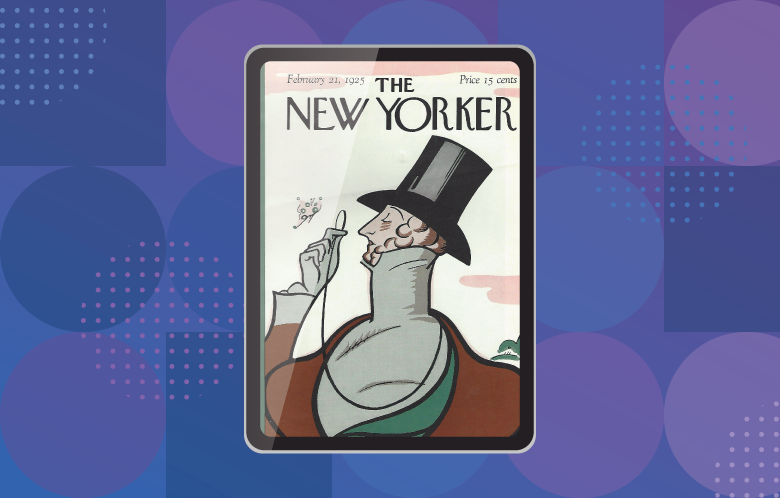
Explore how magazine archives can serve as valuable resources for teaching literature and the humanities. Through examples from popular magazine titles, EBSCO’s Courtney Peckham and Sarah Mueth of the University of North Carolina Wilmington will highlight how literature and fiction can be studied as originally published, alongside editorials, literary criticism, art and other content that places these works within a broader cultural context.
Speakers

Courtney Peckham
EBSCO
Sarah Mueth
University of North Carolina Wilmington
-
Wednesday, November 4 | 4:00 p.m. | Grand Ballroom 1, Gaillard Center
Speakers
Amanda Ferrante
Principal Product Manager for Identity & Access Management, EBSCO
Josh Dahl
Silverchair
Michelle Urberg
LibLynx
-
Wednesday, November 4th | 4:00-4:40pm | Salon I, Gaillard Center
Artificial intelligence is changing how researchers discover, evaluate, and use information. Join EBSCO to explore how EBSCO’s modernized tools, EBSCOhost Research Companion and EBSCOhost AI Exchange, are helping libraries revolutionize research workflows by bringing trusted content into AI experiences while preserving authentication, citations, attribution, and content entitlements.
What We'll Cover
- EBSCO’s approach to responsible AI including transparency and ensuring library entitlements
- How EBSCOhost Research Companion delivers AI powered research experiences grounded in trusted scholarly content with transparent citations and links back to source materials.
- How EBSCOhost AI Exchange connects institutional AI platforms to licensed EBSCO content while maintaining authentication, access rights, and attribution.
-
How these innovations keep libraries at the center of the resource process and support trusted AI-assisted research.
Presenters
Bonnie Leavitt: VP, Product Management, EBSCOAmy Thurlow: Dir, EBSCOhost AI Exchange, EBSCO -
Thursday, November 5 | 11:20am | Carolina Ballroom, Francis Marion Hotel
Join EBSCO’s Amanda Ferrante, along with John Felts of Coastal Carolina University and Tim Lloyd of LibLynx, for a look at how the research journey is changing as users increasingly begin outside traditional library environments and AI-driven activity reshapes content access. The session will explore what these shifts mean for understanding patron behavior, evaluating usage, making collection decisions and planning access infrastructure.
Speakers
Amanda Ferrante
Principal Product Manager for Identity & Access Management, EBSCO
John Felts
Coastal Carolina University
Tim Lloyd
LibLynx
-
Friday, November 6 | 11:50am-12:30pm | Colonial Ballroom, Francis Marion Hotel
AI assistants (Claude, ChatGPT, Gemini) are increasingly positioned as a front door to research, and the Model Context Protocol (MCP), an open standard introduced by Anthropic for connecting AI systems to external tools and data sources, has become the mechanism by which scholarly content is being surfaced and cited. Adoption across libraries and publishing is developing and decentralized, the business models remain largely undefined, and the case for what this offers researchers is in the process of being more fully understood.
The session opens with a survey of the current landscape: a working inventory of known official and unofficial scholarly MCP services across libraries, publishers, and vendors, distinguishing what is production-ready from what is experimental and identifying where gaps remain.
The second half turns to implementation and implications from a discovery vendor's vantage point: what building MCP services for scholarly content requires in practice, and what AI-mediated discovery means for access, attribution, licensing, privacy, and user expectations. Presenters will address where library, publisher, and vendor interests align and where they conflict.
The session closes with open Q&A.
Speakers
- Esther Jackson, Columbia University Libraries, Head of Open Scholarship
- Jonathan Cain, Columbia University Libraries
- Amy Thurlow, EBSCO
-
On-demand | Virtual
Explore how the Bodleian Libraries at the University of Oxford are advancing digital humanities research through fellowship programs and collaboration. Dr. Megan Gooch will share examples of how librarians and researchers are working together to create new digital scholarship, tools and methodologies, along with practical ideas for supporting digital humanities research at other institutions.
This session is part of the Charleston Conference Virtual On Demand collection, featuring recorded presentations available exclusively online. Watch at your convenience beginning the week of the conference and for three months afterward.
Speaker
Dr. Megan Gooch