In this webinar you will learn how:
- Boston Public Library (BPL) designs scalable health literacy programs rooted in community needs.
- BPL’s Nutrition Lab supports community health education and food literacy.
- Public libraries can advance health literacy through strategic partnerships and innovative programming.
Public libraries are open to everyone and often become a first stop when health questions arise. Whether someone is trying to understand a new diagnosis or searching for reliable nutrition advice, patrons regularly turn to the library for help. How can libraries design health literacy programs that are practical, sustainable and grounded in what their communities truly need?
On March 25 at 2 p.m. ET, join Library Journal and EBSCO for “Designing Health Literacy Programs: Insights from Boston Public Library.” This session goes beyond theory to explore how one major urban public library system built a health literacy initiative that is both community-centered and scalable.
From Community Need to Health Literacy Program Design
Boston Public Library (BPL) didn’t start with a prepackaged model. Their team began by listening. In this webinar, you’ll hear how BPL:
- Identified gaps in health knowledge and access across neighborhoods
- Aligned programming with expressed community priorities
- Built partnerships that strengthened credibility and reach
- Developed offerings that can be adapted across branches and audiences
Whether your library is just beginning to explore health literacy or looking to expand existing efforts, you’ll gain insight into how to move from idea to implementation.
Inside the Nutrition Lab
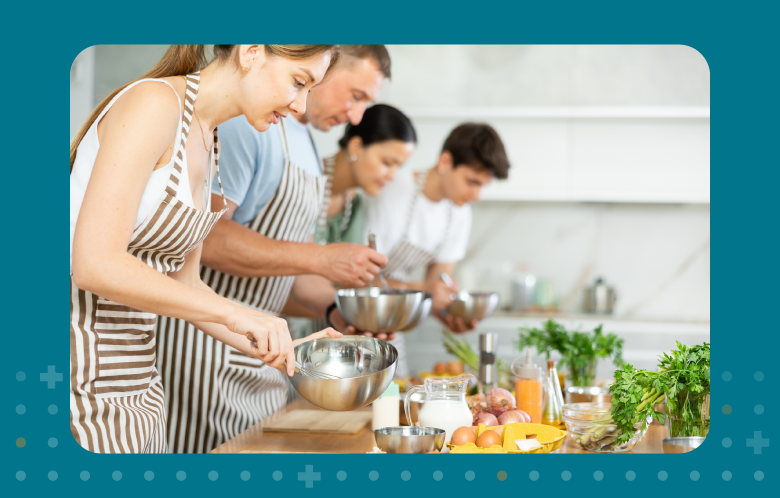
A highlight of BPL’s approach is the Nutrition Lab at the Shaw Roxbury Branch in Nubian Square. More than a demonstration kitchen, the Nutrition Lab is a hands-on learning space where food literacy comes alive. Programs have included:
- Cooking classes focused on affordable, culturally relevant meals
- Workshops on reading nutrition labels and understanding ingredients
- Community conversations that connect food, memory and culture
- Skill-building sessions that support long-term wellness
By combining culinary skills with health education and storytelling, BPL has created an environment where learning feels accessible and empowering. The Nutrition Lab model shows how libraries can address health literacy through experience, not just information.
Practical Strategies You Can Apply
This session will also cover:
- The evolving role of public libraries in advancing community health literacy
- Approaches to fitness, mindfulness and holistic wellness programming
- Ways to integrate digital health resources into programs and reference services
- Strategies for building and sustaining community partnerships
Time will be reserved for live Q&A, and all registrants will receive a recording after the event.
Why Attend?
Have you ever wondered:
- How do we support health questions without giving medical advice?
- What does a strong health literacy program look like in practice?
- How can we scale efforts with limited staff and budget?
If so, this webinar is designed with you in mind.
Boston Public Library’s team will share lessons from their journey, including what worked, what evolved and how they continue to refine their approach. You’ll leave with concrete ideas you can adapt to your own community, whether you serve a large urban system or a small rural branch.
Health literacy programs start locally. Join us to explore what’s possible for your library and your community.