Skin cancer remains one of the most common cancers worldwide, and prevention strategies are critical. While sun protection – including broad-spectrum sunscreen, protective clothing, and seeking shade – remains the cornerstone of prevention, emerging evidence suggests that oral nicotinamide, a form of vitamin B3, may offer additional protection against certain skin cancers.
The Mechanism of Action: Nicotinamide and its Effects on Skin
Nicotinamide (also known as niacinamide) is the amide form of vitamin B3 and is structurally and functionally different from niacin, the acid form. Both forms support cellular health by serving as a precursor to NAD⁺, a critical coenzyme involved in energy metabolism and DNA repair. Unlike niacin, nicotinamide does not cause flushing or significantly decrease cholesterol levels, making it a better tolerated option for routine use. However, nicotinamide should be avoided in people with liver disease, severe hepatic dysfunction, active peptic ulcer disease, or known hypersensitivity.
The proposed biologic mechanisms of nicotinamide for skin protection include:
- Enhanced DNA repair following UV-induced damage
- Improved cellular energy metabolism through NAD⁺ pathways
- Reduced UV-induced immunosuppression
Together, these effects may help explain observed reductions in non-melanoma skin cancer risk.
The Evidence: Nicotinamide and Skin Cancer Prevention
A large retrospective cohort study of more than 33 thousand U.S. veterans examined the effects of nicotinamide at a dose of 500 mg twice daily for more than 30 days. Among the 12,287 patients who received nicotinamide compared with 21,479 matched controls, there was a 14 percent overall reduction in skin cancer risk.
Most notably, those who began nicotinamide after their first skin cancer diagnosis had an approximate 54 percent risk reduction, with the strongest effects seen for both squamous cell carcinoma and basal cell carcinoma.
These results, while encouraging, come with limitations. The study cohort was predominantly homogeneous, and no protective effect was observed in people with solid organ transplant or other forms of immunosuppression. Further randomized trials in more diverse populations are essential to determine the broader applicability of nicotinamide in clinical practice.
Clinical Takeaways For Skin Cancer Prevention
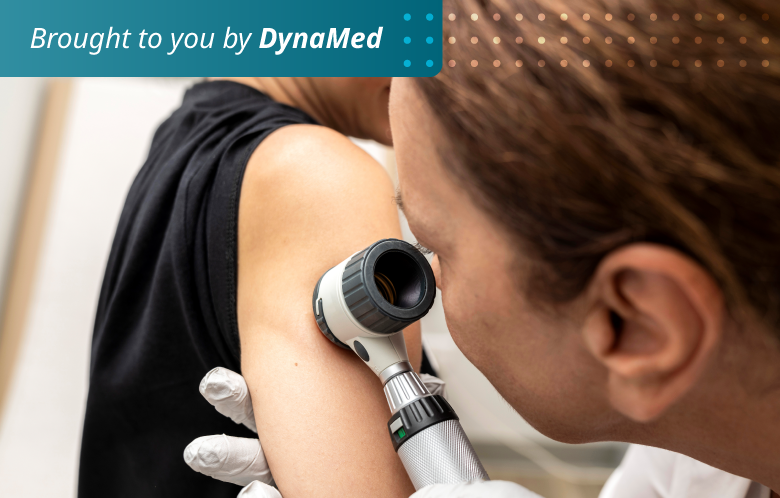
While nicotinamide may help prevent basal cell carcinoma and cutaneous squamous cell carcinoma, the essentials of sun protection remain unchanged. In addition to consulting your health care team to check any suspicious skin lesion and regular skin checks, the Australian Cancer Council reminds the global community to “Slip, Slop, Slap, Seek, Slide” by:
- Slipping on sun-protective clothing
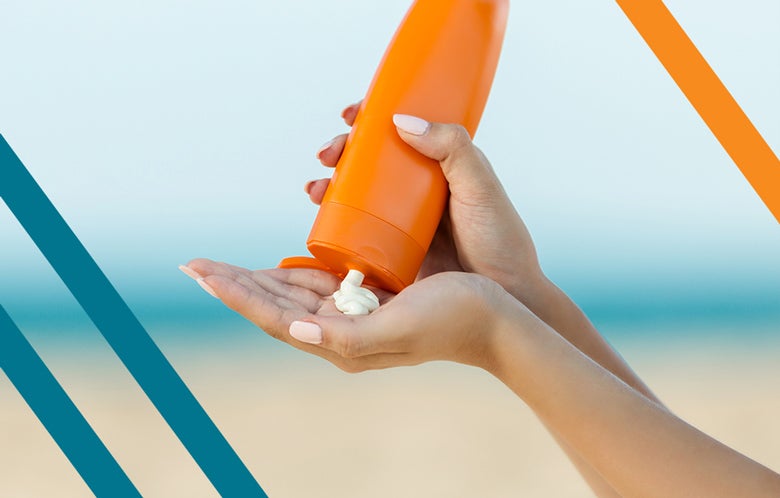
- Slopping on broad-spectrum SPF 30+ sunscreen (reapplied every two hours)
- Slapping on a wide-brimmed hat
- Seeking shade
- Sliding on wraparound sunglasses
Given its favorable safety profile and low cost, oral nicotinamide may be considered another preventive strategy for people at high-risk for skin cancer, particularly those with a history of non-melanoma skin cancer.
The Bottom Line For Nicotinamide
Nicotinamide is a promising, well-tolerated option that could complement established prevention strategies. Further research is needed before widespread adoption.